Schull – ‘I strive to pay forward his kindness’

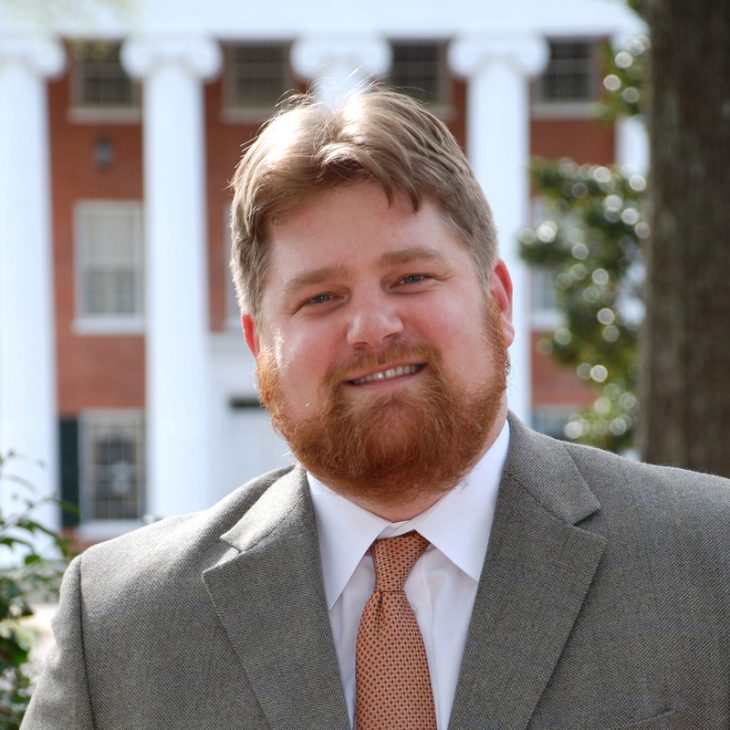
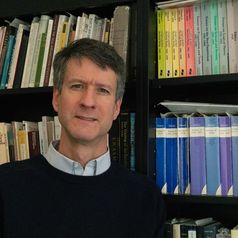
Stephanie Schull, PhD

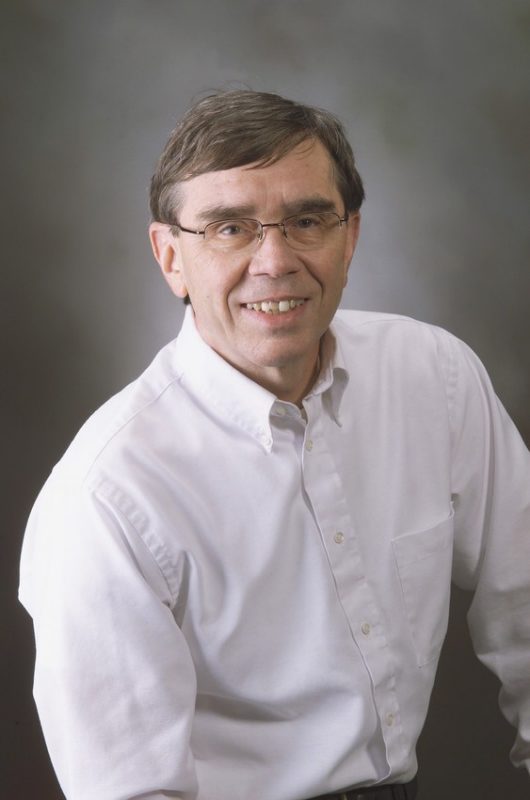
Dr. Hickman is a gifted professor. I studied with him during my time getting my BA in Philosophy at Texas A&M University. I loved his book on John Dewey’s Pragmatic Technology, but beyond the brilliant books and essays, he was a devoted teacher. He made me feel confident in my ability to work through complex problems. He took my juvenile attempts and saw a way to coax some real thinking out of me. He and his wife Elizabeth went above and beyond to also find part-time work for me, so their care extended beyond the classroom. Larry Hickman is all one would want from a colleague, a professor, and a friend. He helped transform my awkward and unstable undergraduate years into a foundation I could build my future on. I owe him a big thank you and I strive to pay forward his kindness and replicate his level of expertise in all that I do.

Hickman Project Organizers

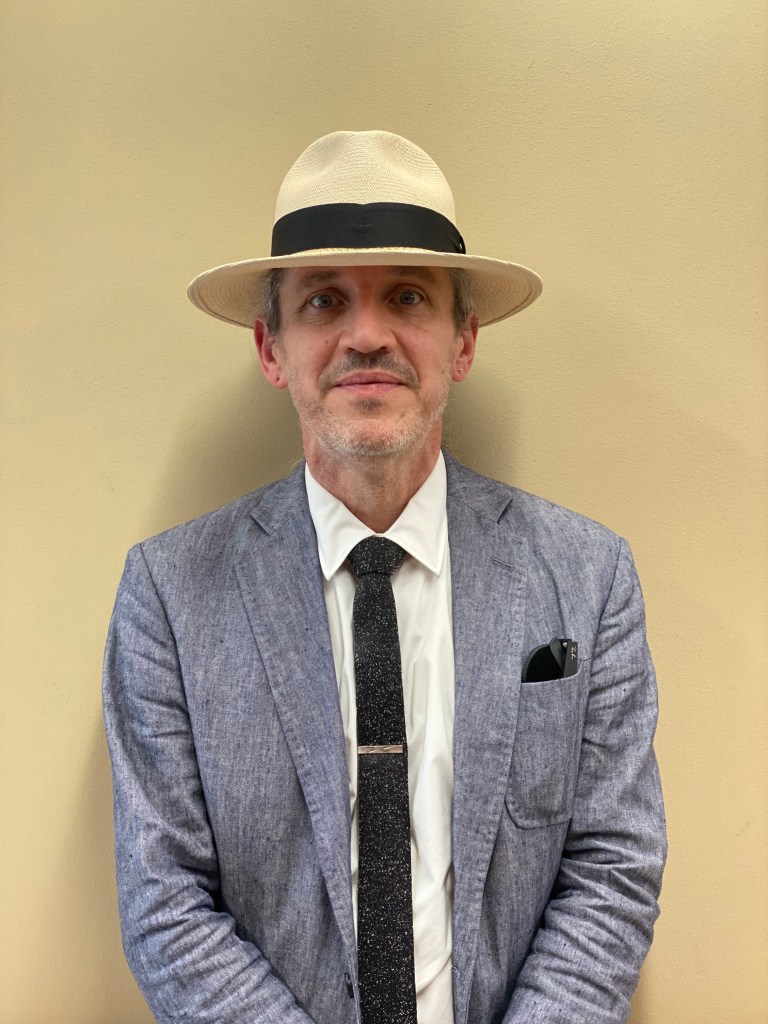
Dr. Craig Hanks

Chair of the Larry Hickman Legacy Project

“Dr. Hanks has been the Chair of Philosophy at Texas State University since 2014. He is known for his expertise on critical theory, philosophy of technology, and applied philosophy.”


Dr. Eric Thomas Weber

Co-chair of the Larry Hickman Legacy Project

“Dr. Weber has his Ph.D. in philosophy with a focus on John Dewey’s work, applied to democracy, education, and justice. He is currently an associate professor in the Department of Educational Policy Studies & Evaluation at the University of Kentucky.”

View his works below and read more about his accomplishments!


Gregory Pappas

Ambassador-at-Large for the Larry Hickman Legacy Project

“Dr. Pappas is the Associate Professor of Latino/a and Mexican American Studies and he specializes on the Latin American philosophy and Pragmatist traditions in ethics and social political philosophy, especially philosophers in the Americas that centered their thought on lived experience (“la vida”) and radical democracy.”


Dr. Greg Moses

Corresponding Secretary for the Larry Hickman Legacy Project

“Greg Moses teaches philosophy at Texas State University. He is editor of The Acorn: Philosophical Studies in Pacifism and Nonviolence. And he is author of Revolution of Conscience: Martin Luther King, Jr. and the Philosophy of Nonviolence.”


Andrew Boyd

Webmaster/Tech Support

Andrew works as the Systems Support Specialist II in the Philosophy Department at Texas State University. He will be working behind the scenes with the technology that makes our event possible.


Mia Villasana

Webmaster for the Larry Hickman Legacy Project

Mia Villasana works as a student worker for the Philosophy Department at Texas State University. She also is the Editorial Assistant for The Acorn Journal, one of Dr. Moses’ ongoing works, and the web assistant for the Multicultural Calendar weekly newsletters that include inclusive community events happening in the Philosophy Department, Texas State University, and San Marcos.

Published
Categorized as About

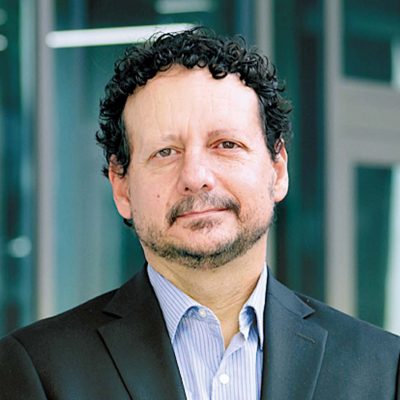
Barry – ‘Larry’s class blew my mind’

Dwight Barry, A&M Class of ’92

Larry’s Philosophy of Technology class blew my mind. He made connections between art, technology, and philosophy I had never seen, much less could have even considered, and he showed me how philosophy could be both exciting and relevant to anything I could think about. He also provided me, somewhat incidentally, some of the best writing critiques I had in college; his writing assignments asked for 5 pages, and when in excitement over the topic I had written 7 pages, his front-page comment was only this: “If you can say it in 7 pages, you can certainly say it in 5.” 🙂

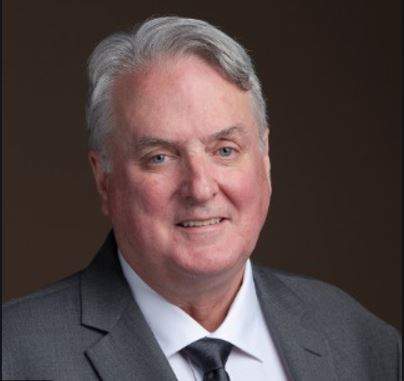
Capps – The ‘Eclipse’ of Pragmatism: Using Text-Analysis to Understand the Recent History of American Philosophy

John Capps, with Evelyn Brister, Kristopher Edelman, and Noah Collins

Rochester Institute of Technology

The “eclipse” of pragmatism has been a consistent issue in the history of recent American philosophy. Broadly speaking, the view is that American pragmatism—the philosophical approach historically associated with Peirce, James, and Dewey—was overshadowed by other approaches during the mid-20th century. Typically, the view is that pragmatism was displaced by logical positivism or by analytic philosophy in general. Some are inclined to view this as an unfortunate turn of events: a native, homegrown philosophy crowded out by exotic invasive species. This, in turn, raises a number of thorny issues, including how to define both “pragmatic” and “analytic” philosophy, their relationship to each other, and how contemporary philosophers define, and identify with, their own tools, methods, and history. Here we will address this question from a new direction by using a data set of several thousand journal articles published in 10 prominent philosophy journals between 1900 and 2016. This will help us determine how, whether, and in what sense pragmatism was eclipsed. Besides shedding light on the recent history of American philosophy, this bibliometric method is itself a pragmatic approach to settling questions in the history of philosophy.


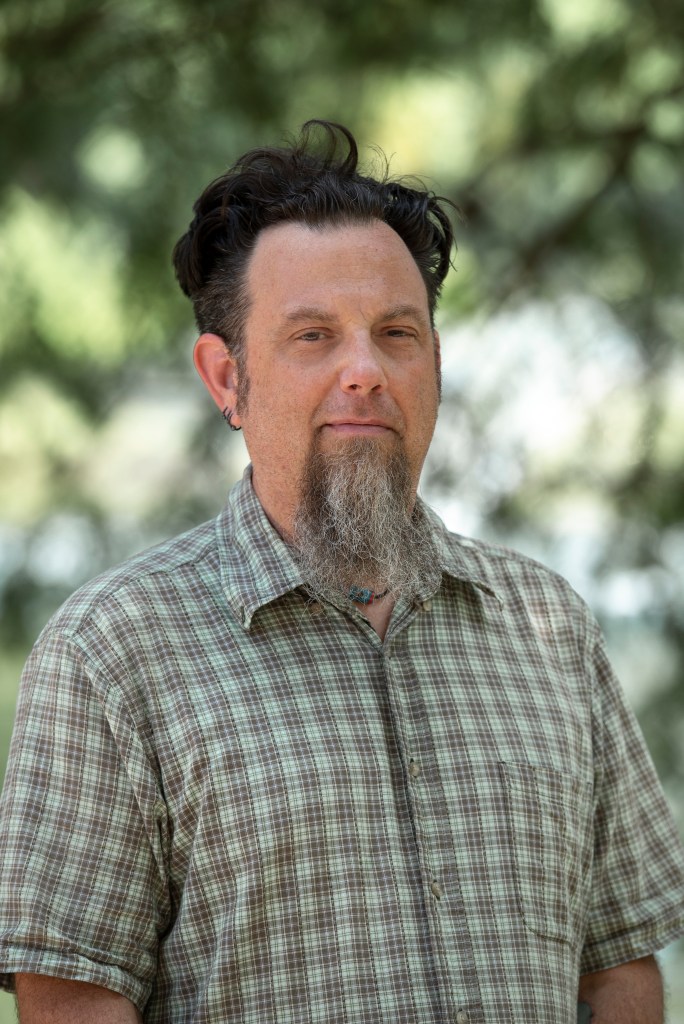
Fesmire – Beyond Popcorn Solutions: Hickman’s Anti-Reductionism and the Quest for Irrecusably Right Mechanisms in Valuation

Steven Fesmire

Radford University

Taking Peter Singer’s work as a test case, this presentation draws on Dewey and Hickman to critique the contemporary quest in ethics and policy for timeless mechanisms that purportedly get at objectively preexisting answers. Building on Dewey, Hickman’s pragmatic philosophy of technology challenges the aggregating moralist’s reductionistic quest for a predetermined metric whereby we judiciously weigh matters so that the balance automatically tips toward the good—many contemporary economists and policy analysts say “optimal”—outcome supported by a universal welfarist principle. Such strategies are at least a counterweight to a do-nothing attitude about the welfare of others, but the quest for a cover-all metric that is “Right” once and for all is not essential to constructing precise quantitative welfare models, algorithms, and assessments. So Hickman’s advice is to drain the theoretic bathwater while evaluating the functional-operational baby by its directive power.


Garrison – Hickman, Buddhism, and Algorithmic Technology

Jim Garrison

Virginia Tech

This paper provides further reflections on my dialogue with Larry Hickman, director emeritus of the Center for Dewey Studies, and Daisaku Ikeda, president of the lay Buddhist organization Soka Gakkai International (SGI). The most surprising outcome of this dialogue is how similar Deweyan pragmatism is to many forms of Mahayana Buddhism including Nichiren Buddhism the source of SGI. I have explored some of these similarities elsewhere. Here I survey additional similarities in terms of Hickman’s philosophy of technology by emphasizing value creation and criticism. (Soka Gakkai means value creating society.) I explore Peter D. Herschock’s, Buddhism and Intelligent Technology relying on Hickman to rectify Herschock’s philosophy of technology before discussing Herschock’s insightful application of Buddhist ethics to AI and the internet. I conclude by identifying many of Herschock’s Buddhist principles in Dewey’s theory of inquiry and thereby showing how they reside implicitly within Hickman’s philosophy of technology.